
Property Line Survey Before Pool Excavation on a Tight Austin Lot
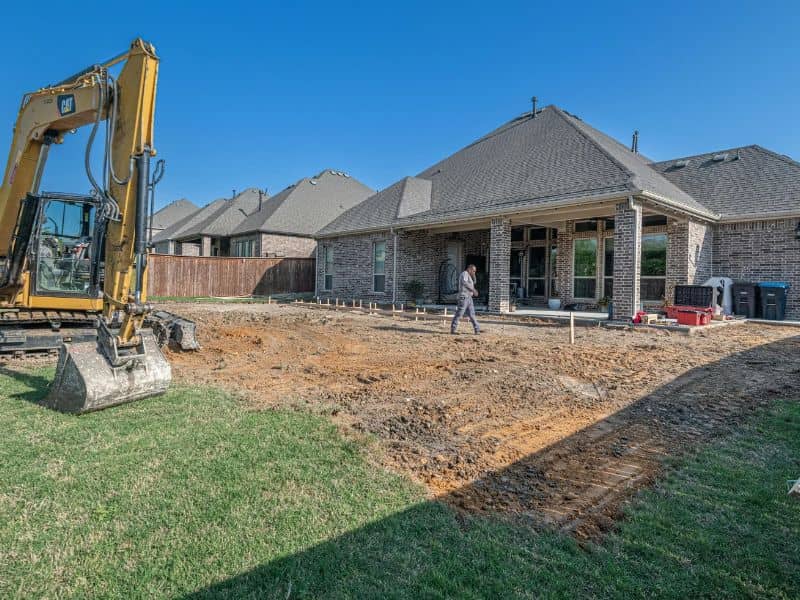
A pool crew can open a hole in a single day. Once the dirt is out, moving the shell even two feet means new plans, new permits, and a bigger bill. On a tight lot, two feet is often the difference between a pool that passes inspection and one that sits over a setback or easement line.
A property line survey belongs at the start of the project, before design is final and long before the excavator shows up. It shows where your lines really are, what easements cross the yard, and how much room you have to work. Homeowners who order it first give their pool designer and contractor solid numbers to build from.
Confirming Property Lines Before Pool Excavation Begins
Backyard fences are a poor guide to property lines. Many were built by past owners, set by eye, or shifted to save a tree. A surveyor finds the recorded corners, checks them against the plat and deed, and shows where the true lines run.
Ask the surveyor to set or flag the corners near the work area. Visible markers help the pool designer, the contractor, and the excavator stay on the same page. They also give you something to point to if a neighbor raises questions.
Bring any existing survey, the subdivision plat, and your title policy to the first call. Older surveys can still help, but they may not show newer fences, decks, or sheds. The surveyor will tell you whether an update is needed.
Checking Pool Setbacks and Easements on Narrow Austin Lots
A setback is the minimum distance a pool, deck, or equipment pad must stay from a property line. Pool setbacks can differ from house setbacks, and pool equipment may have its own rules. Requirements vary by municipality, zoning, and subdivision, so confirm them with the permit office and any HOA before design.
Easements need just as much attention. Many residential lots have utility or drainage easements along the rear or side lines, and those strips can take up a big share of a small yard. Local codes and utility providers often restrict pools and other structures inside easements, and some won’t allow them without formal approval.
Your survey should show each recorded easement with its width and location. Compare those strips to the pool layout before you sign a contract. Moving a design on paper costs far less than redesigning after a permit is denied.
Mapping Underground Utilities and Existing Backyard Improvements
Call 811 before any digging so public utilities can be marked. Those locates cover lines owned by utility companies, but they usually don’t cover private lines. Irrigation pipes, gas lines to a grill, landscape lighting, and other private lines are the owner’s responsibility to find.
A survey can show visible signs of utilities, such as meters, cleanouts, valve boxes, and overhead lines. It can also map patios, retaining walls, trees, sheds, and anything else the pool must work around. Combined with utility marks, that drawing gives the designer a clear picture of the yard.
Pay close attention to overhead power lines. Safety codes often limit how close a pool can sit to them, and the rules depend on voltage and line type. Your pool contractor and the electric provider can confirm the clearance needed.
Planning Excavation Access Without Crossing Property Boundaries
Getting equipment into a small backyard is often the hardest part of the job. Side yards may be only a few feet wide, and gates, AC units, and fences can block the way. The survey shows exactly how much room you have between the house and the line.
If the only workable route crosses a neighbor’s yard, talk with them before work starts. A written access agreement spells out the route, timing, and repair terms. An attorney can help with the wording if the project is large or the relationship is tense.
Plan where the dirt goes too. Spoil piles, haul trucks, and material deliveries need space that stays on your side of the line. Ask the contractor to mark staging areas on a copy of the survey so everyone knows the limits.
Using Property Line Survey Data to Finalize Pool Placement
Once lines, setbacks, easements, and utilities are on one drawing, the pool designer can place the shell with confidence. The survey becomes the base for the site plan most permit offices want to see. Reviewers tend to move faster when distances to every line are measured and clearly labeled.
Before excavation, ask the surveyor to stake the pool corners or key points from the approved plan. That step ties the dig to the same measurements used for the permit. It costs little compared with fixing a pool that landed a foot inside a setback.
Keep the survey with your home records after the pool is finished. It helps with fence projects, future additions, and an eventual sale. Some homeowners order an updated survey that shows the finished pool for their files.
Frequently Asked Questions
Why is a property line survey important before pool excavation?
A property line survey shows where your lot actually ends and what limits apply inside it. Pools are hard to move once the ground is dug, so mistakes are costly. The survey also reveals easements and setbacks that can block certain layouts. Getting it first gives the designer and contractor accurate numbers to work from.
How close can a swimming pool be to a property line in Austin?
There isn’t one distance that fits every lot. Pool setbacks depend on zoning, lot type, subdivision rules, and local building codes. The city’s permit and development review staff can confirm the current rules for your address. A survey shows your exact lines so those rules can be applied correctly.
Can a property line survey identify utility easements affecting pool placement?
Yes, if the easement is recorded on the plat or in other land records. The surveyor shows its location and width on the drawing. Easements that were never recorded may not appear, so share any utility letters or agreements you have. Your title policy can also point to easements that affect the lot.
What happens if pool excavation crosses a neighboring property line?
Crossing a neighbor’s line without permission can lead to damage claims, disputes, or work stoppages. The neighbor may ask for repairs, payment, or removal of anything built on their land. Fixing the problem often costs far more than a survey would have. If it happens, stop work and talk with the neighbor and, if needed, an attorney.
Should a property line survey be completed before hiring a pool contractor?
Getting the survey first is usually the smarter order. It lets you compare contractor bids based on the same measured site plan. It also shows early whether your preferred pool size fits the lot. Some contractors can help coordinate the survey, but you should see the results before signing.
